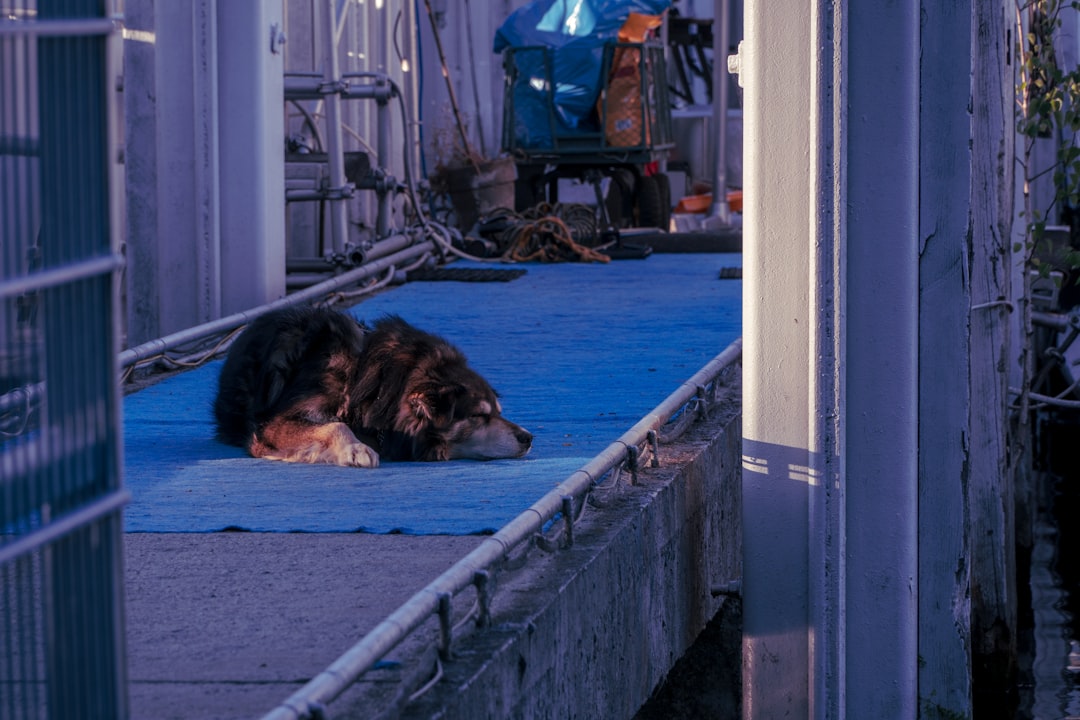
Starting a dog boarding facility requires significant investment and careful planning. A thorough business plan is essential for securing financing, guiding decisions, and building a successful operation. This guide covers everything you need to create a comprehensive boarding business plan.
As your business grows, dog boarding software becomes essential for managing reservations and operations, but first you need the foundation of a solid plan.
Executive Summary
Elements to Include
Your executive summary should capture:
Business concept:
- Boarding model (traditional kennel, luxury suites, home-based)
- Services offered
- Location and facility overview
- Target market
Financial highlights:
- Total investment required
- Funding sources
- Projected revenue
- Break-even timeline
- Key financial metrics
Competitive advantage:
- What makes your facility different
- Market positioning
- Unique value proposition
Example Summary
“[Business Name] is a premium dog boarding facility in [Location], offering cage-free boarding, daycare, and grooming services. With £250,000 initial investment, we project break-even within 18 months and revenue of £400,000 by year 3. Our focus on individual attention, quality facilities, and transparent communication positions us as the premium choice for discerning pet owners in [Area].”
📊 Crunch your numbers: Use our free Pet Business Revenue Calculator to model your facility’s income and profit across all your services — with seasonal demand and capacity planning included.
Business Description
Boarding Model Options
Traditional kennel:
- Individual runs/kennels
- Lower staffing requirements
- Efficient capacity utilisation
- Familiar model for many owners
Luxury/boutique:
- Suite-style accommodations
- Premium amenities
- Higher pricing
- More personalised service
Cage-free/pack boarding:
- Open play areas
- Social dogs only
- More staff supervision needed
- Appealing to many owners
Home-based boarding:
- Dogs stay in a home environment
- Limited capacity
- Lower startup costs
- Personal, intimate experience
Services to Offer
Core services:
| Service | Description | Typical Pricing |
|---|---|---|
| Overnight boarding | Standard accommodation | £25-£50/night |
| Premium suites | Upgraded rooms | £40-£75/night |
| Daycare add-on | Group play during stay | £10-£20/day |
| Extended walks | Extra exercise | £10-£15 |
| Medication admin | Health needs | £3-£10 |
| Bathing on departure | Clean pickup | £15-£30 |
Additional revenue streams:
- Daycare services
- Grooming
- Training
- Retail (food, treats, supplies)
- Transportation
Target Market
Primary customers:
- Working professionals travelling for business
- Families taking holidays
- Dog owners with breeds needing supervision
- Elderly owners needing assistance
- Emergency boarding needs
Demographics to analyse:
- Household income levels
- Dog ownership rates
- Travel patterns
- Competitor pricing acceptance
Market Analysis
Industry Overview
Dog boarding market trends:
- Growing pet ownership
- Increasing travel rates
- Premium service demand
- Transparency expectations (webcams, updates)
- Technology adoption
Local Market Research
Research to conduct:
- Number of households with dogs
- Average income and pet spending
- Existing boarding facilities (capacity, pricing)
- Travel patterns of local population
- Growth projections for area
Competitive Analysis
For each competitor, assess:
| Factor | Competitor A | Competitor B | Your Facility |
|---|---|---|---|
| Capacity | 40 dogs | 25 dogs | 30 dogs |
| Price/night | £35 | £55 | £45 |
| Facilities | Basic | Premium | Modern |
| Webcams | No | Yes | Yes |
| Daycare | Limited | Yes | Yes |
| Reviews | 4.2 stars | 4.7 stars | Target: 4.8 |
Market Opportunity
Gaps to fill:
- Underserved areas
- Quality gaps in existing options
- Price points not covered
- Services not offered
- Technology lacking at competitors
Facility Requirements
Location Considerations
Zoning and regulations:
- Commercial zoning typically required
- Distance from residential areas
- Noise ordinance compliance
- Parking requirements
- Local business licensing
Location factors:
- Visibility and accessibility
- Space for outdoor areas
- Expansion potential
- Proximity to target market
Facility Design
Interior requirements:
- Individual kennels/suites
- Climate control (heating and cooling)
- Ventilation system
- Flooring (non-slip, cleanable)
- Drainage system
- Grooming area
- Reception/lobby
- Storage space
- Staff areas
Exterior requirements:
- Fenced outdoor areas
- Separate play yards (size grouping)
- Shade structures
- Waste management
- Secure perimeter
Capacity planning:
- Dogs per square foot guidelines
- Indoor vs. outdoor space ratio
- Staff-to-dog ratios
- Growth flexibility
Equipment and Supplies
Major equipment:
| Item | Cost Range |
|---|---|
| Kennels/enclosures | £5,000-£20,000 |
| Fencing | £3,000-£10,000 |
| HVAC system | £5,000-£15,000 |
| Grooming equipment | £2,000-£5,000 |
| Webcam system | £1,000-£3,000 |
| Reception furniture | £1,000-£3,000 |
| Outdoor equipment | £2,000-£5,000 |
| Total equipment | £19,000-£61,000 |
Ongoing supplies:
- Bedding
- Cleaning products
- Food and treats
- Waste disposal
- Office supplies
Licensing and Regulations
Required Licences
Typical requirements:
- Animal boarding establishment licence
- Business registration
- Planning permission (if applicable)
- Environmental health compliance
- Fire safety certificate
Licensing process:
- Application submission
- Facility inspection
- Staff qualification verification
- Ongoing compliance monitoring
Insurance Requirements
Essential coverage:
- Public liability insurance
- Care, custody, control coverage
- Property insurance
- Employers’ liability (if staff)
- Professional indemnity
Typical costs: £2,000-£5,000+ annually
Health and Safety
Requirements:
- Fire safety plan
- Emergency procedures
- Staff training documentation
- Veterinary arrangements
- Vaccination requirements
- Incident reporting
Operations Plan
Daily Operations
Standard daily schedule:
| Time | Activity |
|---|---|
| 6:00 AM | Morning checks, first potty break |
| 7:00 AM | Breakfast, medication admin |
| 8:00 AM | Check-ins begin |
| 9:00 AM | Morning play sessions |
| 12:00 PM | Midday break, potty break |
| 2:00 PM | Afternoon activities |
| 5:00 PM | Check-outs, evening feeding |
| 7:00 PM | Final potty break |
| 9:00 PM | Bed down, overnight monitoring |
Staffing Requirements
Position needs:
| Position | Salary Range | FT/PT |
|---|---|---|
| Manager | £28,000-£38,000 | FT |
| Kennel attendants | £20,000-£25,000 | FT/PT |
| Groomers | £22,000-£30,000 | FT/PT |
| Overnight staff | £22,000-£28,000 | FT/PT |
| Reception | £20,000-£24,000 | FT/PT |
Staff-to-dog ratios:
- Daycare/play: 1:10-15
- Feeding/care: 1:20-25
- Overnight: 1:30+ (with monitoring)
Booking and Management
Systems needed:
- Booking software
- Payment processing
- Client communication
- Record keeping
- Scheduling system Explore Cattery Software for Cat Boarding Facilities solutions. Check out Dog Daycare Software. Explore Kennel Software solutions. Learn more about Pet Grooming Software. Check out Pet Sitting Software.
Financial Projections
Startup Costs
Facility-based boarding:
| Category | Low End | Mid Range | High End |
|---|---|---|---|
| Facility lease/purchase | £20,000 | £75,000 | £200,000 |
| Renovations | £30,000 | £60,000 | £150,000 |
| Equipment | £15,000 | £35,000 | £60,000 |
| Licensing/permits | £2,000 | £4,000 | £8,000 |
| Insurance (first year) | £2,000 | £4,000 | £6,000 |
| Marketing | £3,000 | £7,000 | £15,000 |
| Working capital | £20,000 | £40,000 | £80,000 |
| Total | £92,000 | £225,000 | £519,000 |
Revenue Projections
Capacity assumptions:
- 30 kennels/suites
- Average rate: £40/night
- Average occupancy targets:
- Year 1: 40%
- Year 2: 60%
- Year 3: 75%
Revenue projection:
| Year | Occupancy | Boarding Revenue | Additional Services | Total |
|---|---|---|---|---|
| 1 | 40% | £175,200 | £35,000 | £210,200 |
| 2 | 60% | £262,800 | £65,000 | £327,800 |
| 3 | 75% | £328,500 | £90,000 | £418,500 |
Operating Expenses
Monthly expense breakdown:
| Category | Monthly | % of Revenue |
|---|---|---|
| Rent/mortgage | £2,500 | 14% |
| Staff wages | £6,000 | 34% |
| Insurance | £350 | 2% |
| Utilities | £600 | 3% |
| Supplies | £800 | 5% |
| Marketing | £500 | 3% |
| Software/admin | £200 | 1% |
| Maintenance | £400 | 2% |
| Total | £11,350 | 64% |
Profitability Analysis
Break-even calculation:
- Monthly fixed costs: £11,350
- Revenue per dog-night: £40
- Variable cost per dog-night: £5
- Contribution margin: £35
- Break-even: 324 dog-nights/month
- With 30 kennels: 36% occupancy
Projected profit:
- Year 1: Often minimal (£0-£20,000)
- Year 2: £50,000-£80,000
- Year 3: £80,000-£130,000
Marketing Strategy
Brand Positioning
Positioning options:
- Premium quality (highest service)
- Value leader (competitive pricing strategies)
- Specialist (specific breeds, needs)
- Convenience (location, hours)
- Trust focus (webcams, communication)
Marketing Channels
Digital marketing:
- Professional website with online booking
- Google Business Profile (essential)
- Social media (Instagram, Facebook)
- Online reviews strategy
- Local SEO
Local marketing:
- Vet partnerships
- Pet shop relationships
- Community events
- Local advertising
- Referral programmes
Customer Retention
Building customer loyalty is critical for long-term success:
Retention strategies:
- Loyalty programmes
- Regular customer discounts
- Quality communication
- Photo/video updates
- Personalised service
Risk Assessment
Key Risks
| Risk | Likelihood | Impact | Mitigation |
|---|---|---|---|
| Slow initial booking | Medium | High | Extended working capital |
| Animal incident | Low | Very High | Insurance, protocols, training |
| Staff turnover | Medium | Medium | Training, culture, compensation |
| Competition entry | Medium | Medium | Service differentiation |
| Economic downturn | Low | High | Essential service positioning |
Contingency Plans
For slow growth:
- Extend marketing efforts
- Offer promotional pricing
- Partner with pet businesses
- Add complementary services
For incidents:
- Emergency veterinary arrangements
- Insurance coverage
- Documentation procedures
- Communication protocols
Action Plan
Pre-Launch (Months -6 to 0)
| Month | Key Actions |
|---|---|
| -6 | Secure financing, finalise location |
| -5 | Begin renovations, order equipment |
| -4 | Hire and train staff, licensing |
| -3 | Complete facility, systems setup |
| -2 | Soft opening, initial marketing |
| -1 | Grand opening preparation |
| 0 | Official launch |
Year 1 Milestones
| Quarter | Goals |
|---|---|
| Q1 | Establish operations, 30% occupancy |
| Q2 | Reach 40% occupancy, refine processes |
| Q3 | 50% occupancy, strong reviews |
| Q4 | 60% occupancy, break-even |
Summary
A dog boarding business plan should address:
- Clear business concept — Model, services, positioning
- Market understanding — Demand, competition, opportunity
- Facility requirements — Location, design, equipment
- Regulatory compliance — Licensing, insurance, safety
- Financial projections — Investment, revenue, profitability
- Operations plan — Daily operations, staffing, systems
- Marketing strategy — Customer acquisition and retention
- Risk management — Identification and mitigation
Use this framework to create a comprehensive plan tailored to your specific situation.
Run Your Boarding Business Efficiently
When you’re ready to manage reservations, client communication, and daily operations, PetCare.Software provides purpose-built tools for dog boarding businesses.
Start your free trial and build your boarding business on solid foundations.