Dog Boarding Business Plan (2026)
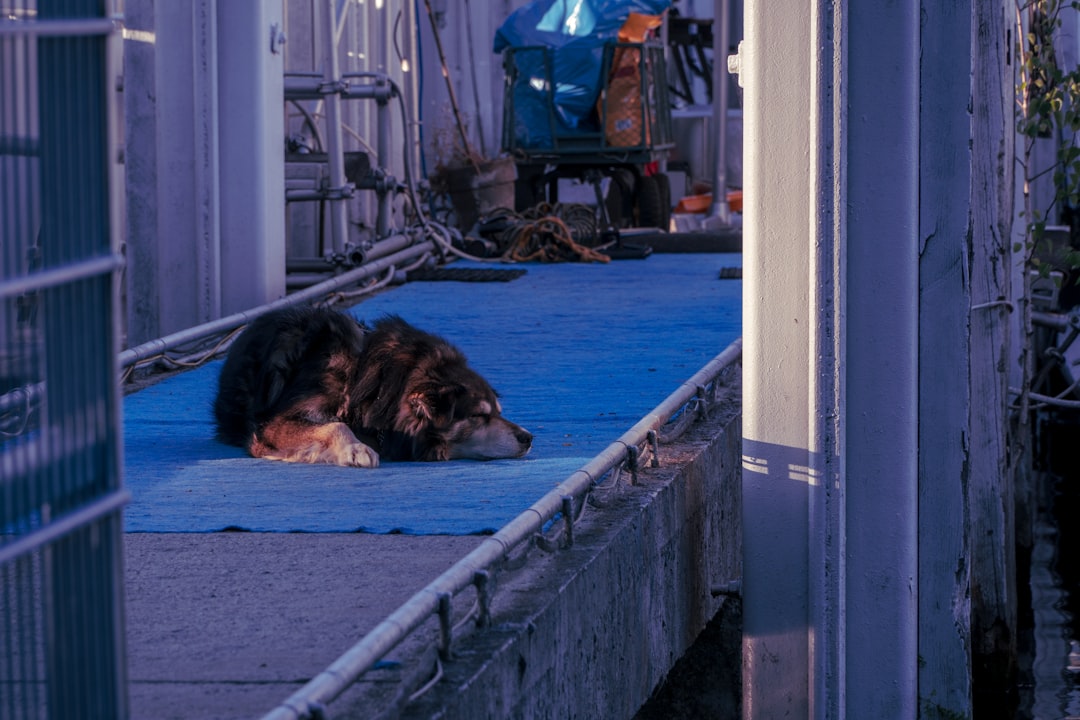
Starting a dog boarding facility requires significant investment and careful planning. A thorough business plan is essential for securing financing, guiding decisions, and building a successful operation. This guide covers everything you need to create a comprehensive boarding business plan.
As your business grows, dog boarding software becomes essential for managing reservations and operations, but first you need the foundation of a solid plan.
Executive Summary
Elements to Include
Your executive summary should capture:
Business concept:
- Boarding model (traditional kennel, luxury suites, home-based)
- Services offered
- Location and facility overview
- Target market
Financial highlights:
- Total investment required
- Funding sources
- Projected revenue
- Break-even timeline
- Key financial metrics
Competitive advantage:
- What makes your facility different
- Market positioning
- Unique value proposition
Example Summary
“[Business Name] is a premium dog boarding facility in [Location], offering cage-free boarding, daycare, and grooming services. With £250,000 initial investment, we project break-even within 18 months and revenue of £400,000 by year 3. Our focus on individual attention, quality facilities, and transparent communication positions us as the premium choice for discerning pet owners in [Area].”
📊 Crunch your numbers: Use our free Pet Business Revenue Calculator to model your facility’s income and profit across all your services — with seasonal demand and capacity planning included.
Business Description
Boarding Model Options
Traditional kennel:
- Individual runs/kennels
- Lower staffing requirements
- Efficient capacity utilisation
- Familiar model for many owners
Luxury/boutique:
- Suite-style accommodations
- Premium amenities
- Higher pricing
- More personalised service
Cage-free/pack boarding:
- Open play areas
- Social dogs only
- More staff supervision needed
- Appealing to many owners
Home-based boarding:
- Dogs stay in a home environment
- Limited capacity
- Lower startup costs
- Personal, intimate experience
Services to Offer
Core services:
| Service | Description | Typical Pricing |
|---|---|---|
| Overnight boarding | Standard accommodation | £25-£50/night |
| Premium suites | Upgraded rooms | £40-£75/night |
| Daycare add-on | Group play during stay | £10-£20/day |
| Extended walks | Extra exercise | £10-£15 |
| Medication admin | Health needs | £3-£10 |
| Bathing on departure | Clean pickup | £15-£30 |
Additional revenue streams:
- Daycare services
- Grooming
- Training
- Retail (food, treats, supplies)
- Transportation
Target Market
Primary customers:
- Working professionals travelling for business
- Families taking holidays
- Dog owners with breeds needing supervision
- Elderly owners needing assistance
- Emergency boarding needs
Demographics to analyse:
- Household income levels
- Dog ownership rates
- Travel patterns
- Competitor pricing acceptance
Market Analysis
Industry Overview
Dog boarding market trends:
- Growing pet ownership
- Increasing travel rates
- Premium service demand
- Transparency expectations (webcams, updates)
- Technology adoption
Local Market Research
Research to conduct:
- Number of households with dogs
- Average income and pet spending
- Existing boarding facilities (capacity, pricing)
- Travel patterns of local population
- Growth projections for area
Competitive Analysis
For each competitor, assess:
| Factor | Competitor A | Competitor B | Your Facility |
|---|---|---|---|
| Capacity | 40 dogs | 25 dogs | 30 dogs |
| Price/night | £35 | £55 | £45 |
| Facilities | Basic | Premium | Modern |
| Webcams | No | Yes | Yes |
| Daycare | Limited | Yes | Yes |
| Reviews | 4.2 stars | 4.7 stars | Target: 4.8 |
Market Opportunity
Gaps to fill:
- Underserved areas
- Quality gaps in existing options
- Price points not covered
- Services not offered
- Technology lacking at competitors
Facility Requirements
Location Considerations
Zoning and regulations:
- Commercial zoning typically required
- Distance from residential areas
- Noise ordinance compliance
- Parking requirements
- Local business licensing
Location factors:
- Visibility and accessibility
- Space for outdoor areas
- Expansion potential
- Proximity to target market
Facility Design
Interior requirements:
- Individual kennels/suites
- Climate control (heating and cooling)
- Ventilation system
- Flooring (non-slip, cleanable)
- Drainage system
- Grooming area
- Reception/lobby
- Storage space
- Staff areas
Exterior requirements:
- Fenced outdoor areas
- Separate play yards (size grouping)
- Shade structures
- Waste management
- Secure perimeter
Capacity planning:
- Dogs per square foot guidelines
- Indoor vs. outdoor space ratio
- Staff-to-dog ratios
- Growth flexibility
Equipment and Supplies
Major equipment:
| Item | Cost Range |
|---|---|
| Kennels/enclosures | £5,000-£20,000 |
| Fencing | £3,000-£10,000 |
| HVAC system | £5,000-£15,000 |
| Grooming equipment | £2,000-£5,000 |
| Webcam system | £1,000-£3,000 |
| Reception furniture | £1,000-£3,000 |
| Outdoor equipment | £2,000-£5,000 |
| Total equipment | £19,000-£61,000 |
Ongoing supplies:
- Bedding
- Cleaning products
- Food and treats
- Waste disposal
- Office supplies
Licensing and Regulations
Required Licences
Typical requirements:
- Animal boarding establishment licence
- Business registration
- Planning permission (if applicable)
- Environmental health compliance
- Fire safety certificate
Licensing process:
- Application submission
- Facility inspection
- Staff qualification verification
- Ongoing compliance monitoring
Insurance Requirements
Essential coverage:
- Public liability insurance
- Care, custody, control coverage
- Property insurance
- Employers’ liability (if staff)
- Professional indemnity
Typical costs: £2,000-£5,000+ annually
Health and Safety
Requirements:
- Fire safety plan
- Emergency procedures
- Staff training documentation
- Veterinary arrangements
- Vaccination requirements
- Incident reporting
Operations Plan
Daily Operations
Standard daily schedule:
| Time | Activity |
|---|---|
| 6:00 AM | Morning checks, first potty break |
| 7:00 AM | Breakfast, medication admin |
| 8:00 AM | Check-ins begin |
| 9:00 AM | Morning play sessions |
| 12:00 PM | Midday break, potty break |
| 2:00 PM | Afternoon activities |
| 5:00 PM | Check-outs, evening feeding |
| 7:00 PM | Final potty break |
| 9:00 PM | Bed down, overnight monitoring |
Staffing Requirements
Position needs:
| Position | Salary Range | FT/PT |
|---|---|---|
| Manager | £28,000-£38,000 | FT |
| Kennel attendants | £20,000-£25,000 | FT/PT |
| Groomers | £22,000-£30,000 | FT/PT |
| Overnight staff | £22,000-£28,000 | FT/PT |
| Reception | £20,000-£24,000 | FT/PT |
Staff-to-dog ratios:
- Daycare/play: 1:10-15
- Feeding/care: 1:20-25
- Overnight: 1:30+ (with monitoring)
Booking and Management
Systems needed:
- Booking software
- Payment processing
- Client communication
- Record keeping
- Scheduling system Explore Cattery Software for Cat Boarding Facilities solutions. Check out Dog Daycare Software. Explore Kennel Software solutions.
Financial Projections
Startup Costs
Facility-based boarding:
| Category | Low End | Mid Range | High End |
|---|---|---|---|
| Facility lease/purchase | £20,000 | £75,000 | £200,000 |
| Renovations | £30,000 | £60,000 | £150,000 |
| Equipment | £15,000 | £35,000 | £60,000 |
| Licensing/permits | £2,000 | £4,000 | £8,000 |
| Insurance (first year) | £2,000 | £4,000 | £6,000 |
| Marketing | £3,000 | £7,000 | £15,000 |
| Working capital | £20,000 | £40,000 | £80,000 |
| Total | £92,000 | £225,000 | £519,000 |
Revenue Projections
Capacity assumptions:
- 30 kennels/suites
- Average rate: £40/night
- Average occupancy targets:
- Year 1: 40%
- Year 2: 60%
- Year 3: 75%
Revenue projection:
| Year | Occupancy | Boarding Revenue | Additional Services | Total |
|---|---|---|---|---|
| 1 | 40% | £175,200 | £35,000 | £210,200 |
| 2 | 60% | £262,800 | £65,000 | £327,800 |
| 3 | 75% | £328,500 | £90,000 | £418,500 |
Operating Expenses
Monthly expense breakdown:
| Category | Monthly | % of Revenue |
|---|---|---|
| Rent/mortgage | £2,500 | 14% |
| Staff wages | £6,000 | 34% |
| Insurance | £350 | 2% |
| Utilities | £600 | 3% |
| Supplies | £800 | 5% |
| Marketing | £500 | 3% |
| Software/admin | £200 | 1% |
| Maintenance | £400 | 2% |
| Total | £11,350 | 64% |
Profitability Analysis
Break-even calculation:
- Monthly fixed costs: £11,350
- Revenue per dog-night: £40
- Variable cost per dog-night: £5
- Contribution margin: £35
- Break-even: 324 dog-nights/month
- With 30 kennels: 36% occupancy
Projected profit:
- Year 1: Often minimal (£0-£20,000)
- Year 2: £50,000-£80,000
- Year 3: £80,000-£130,000
Marketing Strategy
Brand Positioning
Positioning options:
- Premium quality (highest service)
- Value leader (competitive pricing strategies)
- Specialist (specific breeds, needs)
- Convenience (location, hours)
- Trust focus (webcams, communication)
Marketing Channels
Digital marketing:
- Professional website with online booking
- Google Business Profile (essential)
- Social media (Instagram, Facebook)
- Online reviews strategy
- Local SEO
Local marketing:
- Vet partnerships
- Pet shop relationships
- Community events
- Local advertising
- Referral programmes
Customer Retention
Building customer loyalty is critical for long-term success:
Retention strategies:
- Loyalty programmes
- Regular customer discounts
- Quality communication
- Photo/video updates
- Personalised service
Risk Assessment
Key Risks
| Risk | Likelihood | Impact | Mitigation |
|---|---|---|---|
| Slow initial booking | Medium | High | Extended working capital |
| Animal incident | Low | Very High | Insurance, protocols, training |
| Staff turnover | Medium | Medium | Training, culture, compensation |
| Competition entry | Medium | Medium | Service differentiation |
| Economic downturn | Low | High | Essential service positioning |
Contingency Plans
For slow growth:
- Extend marketing efforts
- Offer promotional pricing
- Partner with pet businesses
- Add complementary services
For incidents:
- Emergency veterinary arrangements
- Insurance coverage
- Documentation procedures
- Communication protocols
Action Plan
Pre-Launch (Months -6 to 0)
| Month | Key Actions |
|---|---|
| -6 | Secure financing, finalise location |
| -5 | Begin renovations, order equipment |
| -4 | Hire and train staff, licensing |
| -3 | Complete facility, systems setup |
| -2 | Soft opening, initial marketing |
| -1 | Grand opening preparation |
| 0 | Official launch |
Year 1 Milestones
| Quarter | Goals |
|---|---|
| Q1 | Establish operations, 30% occupancy |
| Q2 | Reach 40% occupancy, refine processes |
| Q3 | 50% occupancy, strong reviews |
| Q4 | 60% occupancy, break-even |
Summary
A dog boarding business plan should address:
- Clear business concept — Model, services, positioning
- Market understanding — Demand, competition, opportunity
- Facility requirements — Location, design, equipment
- Regulatory compliance — Licensing, insurance, safety
- Financial projections — Investment, revenue, profitability
- Operations plan — Daily operations, staffing, systems
- Marketing strategy — Customer acquisition and retention
- Risk management — Identification and mitigation
Use this framework to create a comprehensive plan tailored to your specific situation.
Run Your Boarding Business Efficiently
When you’re ready to manage reservations, client communication, and daily operations, PetCare.Software provides purpose-built tools for dog boarding businesses.
Start your free trial and build your boarding business on solid foundations.