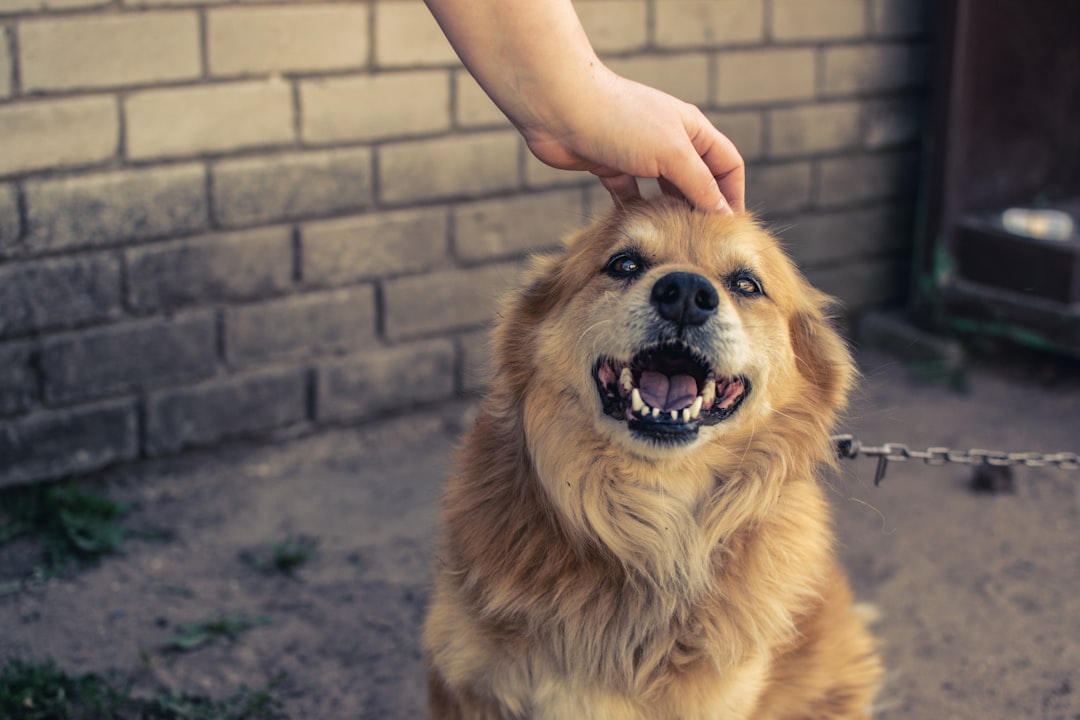
Stress is a natural part of life, but in group care environments like dog daycares and boarding facilities, unmanaged stress can lead to anxiety, behavioural issues, and safety concerns. Facility owners and staff play a key role in creating calm, supportive environments for dogs. Learn more about Cattery Software for Cat Boarding Facilities. Explore Dog Boarding Software solutions. Check out Dog Daycare Software.
Recognising Stress in Dogs
Identifying stress early helps staff intervene before issues escalate. Common signs include:
Body language: Tucked tail, pinned ears, lip licking, yawning
Vocalisation: Whining, excessive barking, growling
Movement: Pacing, circling, restlessness
Avoidance: Hiding behind furniture, refusing interaction
Environmental Calming Strategies
The physical environment significantly impacts stress levels:
- Quiet zones: Create designated low-stimulation areas with comfortable bedding
- Soundproofing: Reduce external noise to lower anxiety levels
- Calming music: Classical music or white noise can reduce barking and pacing
- Lighting: Dim lighting in rest areas promotes relaxation
- Temperature: Maintain comfortable temperatures; dogs stress in extreme heat or cold
Enrichment & Toys
Providing enrichment reduces stress by redirecting focus and energy:
- Puzzle feeders and food-dispensing toys to occupy the mind
- Lick mats and frozen treats that encourage calm licking behaviour
- Chew toys that promote natural soothing through repetitive action
- Snuffle mats for mental stimulation through scent work
Handling & Training Approaches
Staff behaviour directly affects dog stress levels:
- Positive reinforcement: Reward calm behaviour with treats or praise
- Slow introductions: Integrate new dogs gradually into groups
- Staff demeanour: Calm voices and non-threatening body language reduce tension
- Training: Teach simple commands (sit, settle) as tools to redirect anxious energy
- Consistent routines: Predictable schedules reduce uncertainty-based stress
Natural Aids & Safe Products
Beyond environmental and behavioural tools, natural aids can provide support:
- Pheromone diffusers (DAP/Adaptil) to mimic calming maternal signals
- Anxiety wraps or snug-fitting vests for pressure-based comfort
- Vet-approved supplements like L-theanine or calming chews
Always seek veterinary guidance before introducing supplements or products.
Comparison Table: Calming Techniques
| Method | When to Use | Staff Involvement | Effectiveness | Notes |
|---|---|---|---|---|
| Quiet zones | Overstimulated dogs | Low | High | Requires space allocation |
| Puzzle feeders | Excess energy, boredom | Low | Medium-High | Sanitation needed after use |
| Positive reinforcement | Training & behaviour shaping | Medium | High | Staff consistency required |
| Pheromone diffusers | General kennel stress | Low | Medium | Safe, but gradual effect |
| Anxiety wraps | Individual dogs in distress | Medium | Medium-High | Monitor fit and comfort |
Tracking Stress & Progress
Behavioural notes are most effective when consistently tracked. Software allows staff to:
- Log stress-related incidents
- Record responses to calming techniques
- Share progress updates with pet parents
- Spot trends across multiple stays or services
Frequently Asked Questions
What are the quickest ways to calm a stressed dog at daycare?
Move the dog to a quiet area, use calm body language, and offer a lick mat or puzzle toy for redirection.
Which enrichment toys help reduce stress?
Lick mats, frozen treats, and puzzle feeders encourage calm, focused activity while easing anxiety.
When should staff separate a dog from the group?
If the dog shows persistent stress signals—excessive barking, growling, or avoidance—removal prevents escalation.
What training should staff receive?
Staff should be trained in body language, positive reinforcement, and low-stress handling techniques like those from Fear Free Pets.
Do calming techniques apply to cats too?
Yes. Many strategies—quiet zones, pheromones, enrichment—are also effective in catteries.
Conclusion
Proactive calming strategies improve welfare, safety, and parent satisfaction in dog daycare and boarding. Combining environmental changes, enrichment, and positive handling ensures consistent care and effective communication. Start by training staff, equipping your facility with calming tools, and tracking progress over time.
Related reading: Dog Health & Safety Protocols, Staff Training for Pet Boarding, Dog Daycare Software Guide