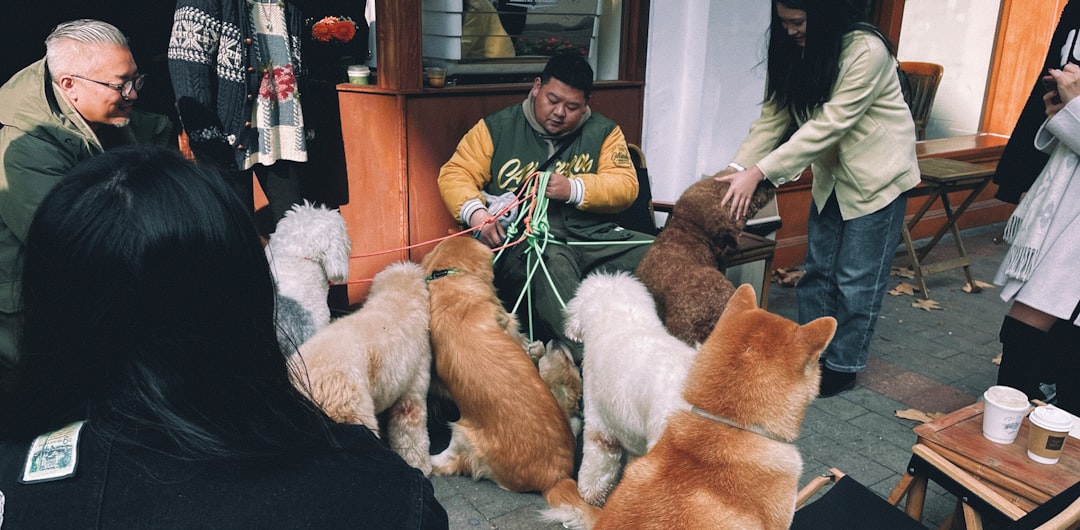
Every professional groomer develops their own techniques over time, but learning from others’ experience can accelerate your growth and help you avoid common pitfalls. This guide compiles practical dog grooming tips from experienced professionals—the kind of advice that isn’t taught in basic grooming courses.
Whether you’re running a pet grooming business or working as an employee, these tips will help you groom more efficiently, handle difficult situations, and deliver consistently excellent results.
Pre-Grooming Assessment Tips
Read the Dog Before Starting
Watch their body language:
- Ears pinned back signals stress or fear
- Tail tucked indicates anxiety
- Whale eye (showing whites) suggests discomfort
- Yawning or lip licking can signal stress
What experienced groomers do: Spend 30-60 seconds just observing before touching. This gives you crucial information about how to approach the groom.
Check the Coat Thoroughly
Before the bath:
- Run a comb through the entire coat
- Check behind ears, armpits, groin, and between toes
- Note mat severity and location
- Identify any skin issues, lumps, or parasites
Why it matters: Discovering severe matting after bathing makes your job harder—wet mats tighten. Early assessment lets you plan appropriately.
Communicate with Owners Accurately
Before you start:
- Confirm the requested style
- Discuss any limitations (coat condition, behavior)
- Get approval for any additional charges
- Set realistic expectations
Pro tip: Take a quick phone photo of the dog at arrival. If there are any disputes about condition or pre-existing issues, you have documentation.
Handling Difficult Dogs
Anxious Dogs
Techniques that work:
- Lower your energy—calm yourself first
- Move slowly and deliberately
- Use a soft, low voice
- Allow sniffing of equipment
- Take breaks when stress escalates
- Don’t rush face/ear work
What to avoid:
- Restraining tightly (increases panic)
- Raising your voice
- Forcing through distress
- Looming over the dog
Wiggly Dogs
Management strategies:
- Tire them slightly before grooming (if possible)
- Use grooming loops appropriately
- Work in shorter sessions
- Distraction (lick mats, treats)
- Enlist help for safety-critical moments
Senior Dogs
Special considerations:
- They may have joint pain—don’t force positions
- Shorter sessions with rest breaks
- Heated tables can help comfort
- Be gentle with thin skin
- Watch for fatigue signs
- Communicate with owners about limitations
Aggressive Dogs
Safety first:
- Know your limits and decline if necessary
- Use muzzles appropriately (with proper conditioning)
- Have an escape plan
- Never work alone with truly aggressive dogs
- Document and communicate clearly
Reality check: Not every dog can be groomed by every groomer. It’s okay to refer to specialists or decline service.
Bathing Tips
Water Temperature
Getting it right:
- Lukewarm to warm—never hot
- Test on your wrist, not your hand
- Adjust as you go (dogs may react to temperature changes)
- Cooler water for nervous dogs can be calming
Thorough Wetting
The common mistake: Rushing this step.
Better approach:
- Dense coats need time to saturate
- Work from back to front
- Lift the coat to get water to skin
- Use appropriate water pressure (not too high)
Shampoo Technique
For best results:
- Dilute shampoo appropriately
- Work in sections, not all at once
- Massage rather than scrub
- Pay attention to problem areas (feet, sanitary, under collar)
- Rinse more than you think necessary—residue causes issues
Conditioner Use
When to condition:
- Dry or damaged coats
- Breeds prone to tangling
- Show coats
- After de-shedding treatments
Application:
- Avoid roots/scalp for oily breeds
- Focus on ends and body
- Leave on per product instructions
- Rinse thoroughly
Drying Tips
High-Velocity Drying
Efficiency tips:
- Start at the rear, work forward
- Keep the dryer moving
- Use your free hand to lift and separate coat
- Dry to the skin, not just the surface
- Watch for stress—many dogs dislike the noise
Safety:
- Never aim directly at face or ears
- Be careful around eyes
- Watch for signs of overheating
- Keep dryer at appropriate distance
Fluff Drying for Scissor Work
Getting it right:
- Use stand dryer with brush simultaneously
- Dry in the direction you want the coat to lie
- Stretch coat while drying for straight finish
- Section by section for thorough drying
- Must be 100% dry before scissoring
Kennel Drying Considerations
If using cage dryers:
- Never leave unattended
- Monitor temperature
- Check regularly
- Never use on brachycephalic breeds (flat-faced)
- Follow all safety guidelines
Clipping Tips
Blade Selection and Care
Keep blades sharp:
- Dull blades pull hair (painful for dogs)
- Change or sharpen regularly
- Cool blades between dogs or use coolant
- Clean hair from between teeth
Blade coolant:
- Use when blade gets warm
- Test on your wrist before continuing
- Don’t wait until it’s hot—prevent burns
Clipping Direction
Standard practice:
- Clip with the grain for longer look
- Clip against the grain for shorter, closer cut
- Know when each is appropriate for the style
Smooth finishes:
- Multiple passes may be needed
- Overlapping strokes prevent lines
- Consistent pressure throughout
Problem Areas
Armpits:
- Loose skin—use caution
- Stretch skin gently
- Smaller blade or scissors may be safer
Sanitary area:
- Use appropriate blade (#40 or #10)
- Work carefully around sensitive areas
- Keep dog still
Throat/neck folds:
- Stretch skin to flatten
- Use lighter pressure
- Be aware of trachea location
Scissoring Tips
Hand Position and Fatigue
Prevent repetitive strain:
- Hold scissors correctly (not too tight)
- Take breaks
- Stretch hands between dogs
- Invest in quality, ergonomic scissors
- Consider different sizes for different tasks
Getting Even Lines
Techniques:
- Stand back and assess frequently
- Work from multiple angles
- Use comb as a guide
- Don’t over-scissor one area
- Less is more—you can always take more off
Scissor Maintenance
Daily care:
- Wipe down after each use
- Oil pivot point
- Store properly (not loose in drawer)
- Professional sharpening when needed
Nail Trimming Tips
Finding the Quick
On clear nails:
- Look for the pink quick
- Cut below it
On dark nails:
- Trim small amounts at a time
- Look for the gray/pink center to appear
- Stop before it turns pink
Handling Nail Anxiety
Common triggers:
- Previous painful experiences
- Sensitive feet
- Restraint discomfort
Approaches:
- Desensitize over time (if working with regular clients)
- Use treats and positive association
- Try different positions (lying down vs standing)
- Consider grinding for sensitive dogs
Dealing with Bleeding
When it happens:
- Stay calm
- Apply styptic powder immediately
- Hold pressure
- Don’t let the dog lick
- Inform the owner honestly
Prevention:
- Better lighting
- Sharp clippers
- Conservative cuts
- Know when to stop
Efficiency Tips
Workflow Organisation
Set yourself up for success:
- Prepare all tools before starting
- Logical station setup
- Consistent routine for each dog
- Clean as you go
Time Management
Where time gets lost:
- Chatting too long with owners
- Looking for equipment
- Redoing work (measure twice, cut once)
- Not having a plan before starting
Improvements:
- Set realistic appointment times
- Build in buffer between appointments
- Track how long different tasks actually take
Batch Similar Tasks
When working on multiple dogs:
- Do all baths in sequence
- Then all dries
- Then finish work
- Reduces setup/cleanup time
Quality Assurance
Final Check Routine
Before the dog leaves your table:
- Run hands over entire body
- Check ears are clean
- Verify nails are done
- Look at face from front
- Check feet are trimmed
- Overall symmetry check
Common Missed Spots
- Between toes
- Under tail
- Inside ears
- Chin/beard area
- Armpit area
- Sanitary trim completeness
Photo Documentation
Benefits:
- Before/after for your portfolio
- Reference for returning clients
- Protection in disputes
- Marketing material (with permission)
Health and Safety
Protecting Your Body
Common groomer injuries:
- Back strain from bending
- Hand/wrist strain from scissors
- Shoulder strain from drying
- Standing fatigue
Prevention:
- Adjustable tables at proper height
- Anti-fatigue mats
- Regular stretching
- Proper lifting technique
- Quality tools that reduce strain
Zoonotic Disease Awareness
Be aware of:
- Ringworm
- Sarcoptic mange
- Fleas and ticks
- Bacterial infections
Protection:
- Proper handwashing
- Gloves when appropriate
- Cleaning between dogs
- Recognising concerning signs
Mental Health
Grooming is demanding:
- Physical labor
- Difficult dogs and owners
- Long days on your feet
- Emotional toll of distressed animals
Self-care:
- Set boundaries
- Take breaks
- Connect with other groomers
- Know when you need time off
Building Your Skills
Continuing Education
Ways to improve:
- Grooming seminars and workshops
- Online courses and videos
- Competition observation
- Mentorship from experienced groomers
- Practice on different breeds
Developing Specialties
Consider focusing on:
- Specific breeds
- Creative grooming
- Show grooming
- Senior dogs
- Anxious dog handling
Learning from Mistakes
Every groomer makes them:
- Nicks and cuts happen
- Uneven scissors happen
- Unhappy owners happen
The key:
- Learn from each incident
- Adjust technique
- Communicate honestly
- Don’t let it shake your confidence permanently
Managing Your Business
Client Records
Track for each dog:
- Preferred style and length
- Behavior notes
- Health considerations
- Products used
- Owner preferences
Pet grooming software helps maintain detailed records accessible during appointments.
Pricing Appropriately
Don’t undersell yourself:
- Factor in actual time
- Account for difficult coats/behaviors
- Charge for additional services
- Raise rates as skills improve
Building Repeat Business
What keeps clients coming back:
- Consistent quality
- Reliable scheduling
- Honest communication
- Genuine care for their pets
- Professional but personal service
Summary
Key dog grooming tips to remember:
- Assessment first—understand the dog and coat before diving in
- Handling matters—calm, confident handling makes everything easier
- Preparation saves time—proper bathing and drying enable quality finish work
- Sharp tools, safe work—maintain equipment and prioritize safety
- Never stop learning—the best groomers continue improving throughout their careers
Every dog and every groom is different. The best groomers adapt their approach while maintaining consistent quality.
Ready to Streamline Your Grooming Business?
Tracking client preferences, managing appointments, and growing your grooming business is easier with the right tools. PetCare.Software helps you manage your entire grooming operation from one platform. Check out Cattery Software for Cat Boarding Facilities. Explore Dog Boarding Software solutions. Learn more about Dog Daycare Software. See how Kennel Software can help. Explore Pet Sitting Software solutions.
Start your free trial and focus on what you do best—making dogs look and feel great.