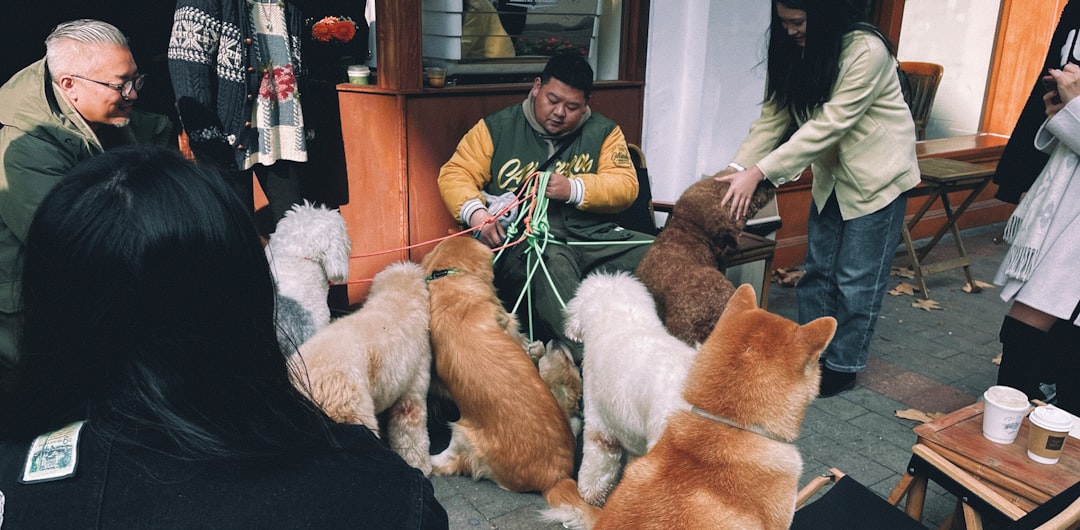
Goldendoodles have become one of the most popular breeds in grooming salons. Their friendly temperament and reputation as “hypoallergenic” (more on that later) make them a family favourite—but their diverse coats can challenge even experienced groomers.
This guide covers everything you need to know about goldendoodle grooming, from understanding their varied coat types to executing popular cuts. Whether you’re offering pet grooming services or advising clients on maintenance, this is your comprehensive resource.
Understanding the Goldendoodle Coat
The Genetics Factor
Goldendoodles are a cross between Golden Retrievers and Poodles. This means their coats can vary dramatically based on which parent’s genes are dominant.
F1 Goldendoodles (50% Golden Retriever, 50% Poodle)
- Most variation in coat types
- Can range from straight to curly
- Often have wavy, “shaggy” coats
- May shed moderately
F1B Goldendoodles (75% Poodle, 25% Golden Retriever)
- More likely to have curly coats
- Generally lower shedding
- Closer to poodle texture
- More predictable grooming needs
F2 and Multi-Gen
- Highly variable
- Each dog must be assessed individually
- Can be any coat type
Three Coat Types
1. Curly Coat
Most similar to a poodle. Tight curls that don’t shed but mat easily without regular maintenance.
Grooming characteristics:
- Requires frequent brushing (daily to every other day)
- Mats form quickly, especially in friction areas
- Fluff drying essential for scissor work
- Can handle all poodle-style clips
2. Wavy Coat (Most Common)
The classic “teddy bear” goldendoodle look. Loose waves or spirals that give a shaggy appearance.
Grooming characteristics:
- Moderate maintenance needs
- Some shedding possible
- Brushing 2-3 times weekly
- Versatile for various styles
3. Straight/Flat Coat
Most similar to a Golden Retriever. Relatively rare in goldendoodles but does occur.
Grooming characteristics:
- Higher shedding
- Less prone to matting
- Different styling options than curly/wavy
- Needs different grooming approach
The “Hypoallergenic” Myth
Many clients choose goldendoodles believing they’re hypoallergenic. The reality is more complicated:
- No dog is truly hypoallergenic
- Poodle-type coats produce less dander
- Straight-coated goldendoodles may shed and produce allergens similarly to Golden Retrievers
- Individual allergies vary—some people react to specific dogs regardless of breed
Client education point: Set realistic expectations about shedding and allergen production based on the individual dog’s coat type.
Essential Grooming Tools
Brushes and Combs
- Slicker brush: Primary tool for daily maintenance
- Chris Christensen Big G or similar: For working through longer coats
- Metal greyhound comb: For checking brush work and finding hidden mats
- Dematting tools: For working through tangles (carefully)
Clippers and Blades
- Professional clipper: A5-style with detachable blades
- Blade sizes to stock:
- #40: Pads, sanitary
- #10: General body work, basis for guard combs
- #7F: Shorter body styles
- #4F, #5F: Medium body lengths
- Guard combs: A through F for teddy bear styles
Scissors
- Straight shears: 7-8 inch for body shaping
- Curved shears: For head, legs, round shapes
- Thinning shears: Blending, natural finish
- Short straight scissors: Detail work around face
Drying Equipment
- High-velocity dryer: Essential for removing water and straightening coat
- Stand dryer: For fluff drying before scissoring
Popular Goldendoodle Cuts
The Teddy Bear Cut
The most requested goldendoodle style. Creates a round, fluffy appearance reminiscent of a stuffed animal.
Specifications:
- Body: 1-2 inches, even all over (guard comb or scissor)
- Head: Round, fuller than body, blended into ears
- Face: Rounded muzzle, eyes visible but not closely trimmed
- Ears: Blended into head, natural length or shortened
- Legs: Cylindrical, scissored to match body proportion
- Tail: Full, natural or shaped
Execution:
- Bathe and fluff dry completely
- Clip body to desired length with guard comb
- Scissor legs to match body
- Shape head into round dome
- Blend all areas seamlessly
- Round muzzle and clean around eyes
- Shape tail
The Puppy Cut
Similar to teddy bear but shorter, often used interchangeably by clients.
Specifications:
- Body: 1/2 to 1 inch
- Head: Proportional to body, round
- Face: Clean around eyes, rounded muzzle
- Legs: Shorter than teddy bear, still fluffy
Best for: Active dogs, easier maintenance, warm climates
The Lamb Cut
Longer on the legs, shorter on the body—similar to the poodle lamb clip but less precise.
Specifications:
- Body: Short (3/8 to 1/2 inch or #5-#7 blade)
- Legs: Long, fluffy, scissored cylindrical
- Head: Round, blended
- Topknot: Can be fuller
Good for: Clients who want longer legs but struggle with body matting
The Kennel Cut
The practical option when maintenance isn’t happening or severe matting requires starting fresh.
Specifications:
- Body: Very short (#7 or #10)
- Head: Short but rounded
- Legs: Matching body or slightly longer
- All over: Clean, even, minimal styling
Approach: Frame positively—“a fresh start” rather than a punishment for matting
The Miami/Bikini Cut
More stylised, similar to poodle trim but softer.
Specifications:
- Body: Short
- Legs: Pompoms or bracelets
- Tail: Pompom
- Head: Round with clean face optional
Note: Less common in goldendoodles but some clients request it
The Lion Cut
Dramatic style leaving a full mane and shortened body.
Specifications:
- Rear half: Short
- Front/chest: Full, mane-like
- Tail: Pompom or lion tuft
- Legs: Short rear, fuller front
Consideration: Requires specific coat density to work well
Grooming Process Step-by-Step
1. Assessment and Pre-Work
Before bathing:
- Evaluate coat condition and matting level
- Discuss style expectations with client
- Pre-brush if coat condition allows
- Clip sanitary area and pads
- Address severe mats before bath (wet mats tighten)
2. Bathing
- Wet coat thoroughly—dense coats take time to saturate
- Use appropriate shampoo (moisturising for curly coats)
- Work shampoo through entire coat
- Rinse completely—residue causes matting
- Condition if coat is dry or tangled
- Rinse again—thoroughly
3. Drying
High-velocity drying:
- Remove bulk water working in sections
- Stretch coat while drying to straighten curls
- Dry completely to skin
Fluff drying:
- Use stand dryer and brush simultaneously
- Lift coat while drying for volume
- Essential for scissor work
- Coat must be 100% dry
Why drying matters: Damp coat = uneven cut. Any moisture will curl differently when dry, creating an uneven finish.
4. Clipping
- Start with body using chosen blade or guard comb
- Work with the direction of growth for smooth finish
- Multiple passes may be needed
- Blend clipper work into scissor work at legs and head
5. Scissoring
Body blending:
- Smooth transitions from clipper work
- Remove any blade lines
Legs:
- Scissor cylindrical shape
- Blend into body at shoulders and hips
- Attention to elbow and hock areas
Head:
- Shape dome/round top
- Blend into ears
- Clean around eyes for visibility
- Shape muzzle—round, not pointed
Feet:
- Round “cat feet” or fuller “bunny feet”
- Tight around pads
- Blend into legs
6. Finishing
- Final comb-through
- Check symmetry
- Tidy any uneven areas
- Clean ears
- Nail trim
- Bow/bandana if desired
Common Goldendoodle Grooming Challenges
Matting
The number one issue with goldendoodles.
Prevention education for clients:
- Daily brushing for curly coats
- Every other day for wavy coats
- Focus on friction areas: behind ears, armpits, collar area, groin, between toes
- Use detangling spray
- Remove collar between walks
When you find mats:
- Assess if humanely brushable
- Quote additional time/cost for dematting
- Know when to shave down—it’s kinder than painful brushing
- Document coat condition with photos
Coat Transition (Puppy to Adult)
Goldendoodle puppies transition from puppy coat to adult coat between 6-12 months. During this time:
- Matting increases dramatically
- More frequent grooming needed
- Clients need extra education
- Consider shorter cuts during transition
Ear Issues
Goldendoodles’ floppy ears trap moisture and hair, leading to infections.
Best practices:
- Check ears at every groom
- Remove excess hair from canal if trained to do so
- Clean ears
- Advise clients on home ear care
- Refer persistent issues to vet
Anxiety and Movement
Goldendoodles are generally friendly but can be energetic and wiggly.
Strategies:
- Allow time for dogs to settle
- Use positive reinforcement
- Take breaks for restless dogs
- Don’t rush face work—build trust
Pricing Goldendoodle Grooms
Goldendoodles often take longer than other breeds due to:
- Coat density requiring extended drying time
- Scissor work for teddy bear styles
- Dematting when needed
Pricing considerations:
- Charge appropriately for time, not just size
- Premium for heavy scissor work
- Dematting fees when applicable
- Consider “teddy bear” as a premium style
- Be clear about additional costs for coat condition
Typical time requirements:
- Standard goldendoodle teddy bear: 2-3 hours
- Mini goldendoodle: 1.5-2 hours
- Severely matted: Add 30-60+ minutes
- Simple kennel cut: Reduce by 30-45 minutes
Client Communication
Setting Expectations
Before the first groom:
- Explain coat type and maintenance needs
- Discuss realistic style options
- Clarify home brushing requirements
- Set grooming frequency expectations
Rebooking
Goldendoodles typically need grooming every 4-8 weeks depending on:
- Coat type (curlier = more frequent)
- Style (longer = more frequent)
- Client’s home maintenance
- Dog’s lifestyle and activity
Use pet grooming software to:
- Schedule recurring appointments
- Send reminder notifications
- Track coat condition over time
- Note preferred styles and products
Health Considerations
Skin Issues
- Golden Retrievers are prone to skin problems
- Goldendoodles may inherit this tendency
- Watch for hot spots, allergies, dry skin
- Use appropriate shampoos
Eye Care
- Some goldendoodles have eye drainage issues
- Keep face hair trimmed for visibility
- Clean tear stains
- Watch for irritation from hair in eyes
Joint Considerations
- Larger goldendoodles may have joint issues
- Be mindful of table positioning
- Don’t over-extend legs during grooming
- Note any sensitivity for future visits
Summary
Goldendoodle grooming requires:
- Assessment of individual coat type
- Client education about realistic expectations and maintenance
- Proper tools including guard combs and quality scissors
- Complete drying before any scissor work
- Patience for thorough work on dense coats
The teddy bear cut remains most popular, but adapt styles to each dog’s coat type and each client’s maintenance ability.
Ready to Manage Your Grooming Business?
Tracking client preferences, coat types, and rebooking schedules for all your goldendoodle clients? PetCare.Software keeps detailed records, automates reminders, and helps you deliver consistent results. Learn more about Dog Boarding Software. Explore Dog Daycare Software solutions. Explore Kennel Software solutions.
Start your free trial and streamline your grooming business today.