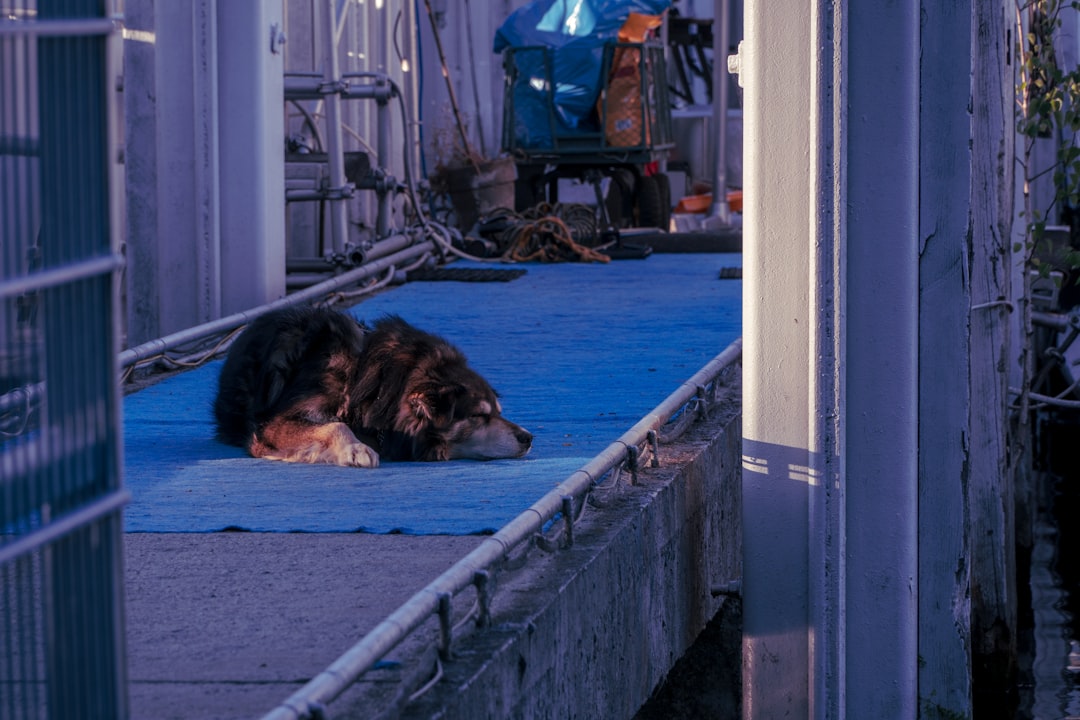
Starting a pet boarding business is exciting—but without a written plan, it’s easy to underestimate costs, overlook regulations, or miss revenue opportunities. This step-by-step guide gives you a lender-ready structure for a pet boarding business plan, with real-world assumptions you can adapt to your market. When you’re ready to open, dog boarding software handles the day-to-day operations so you can focus on growth.
Why Plan? Lender & Execution Benefits
Your business plan is more than a formality—it’s a decision tool. Benefits include:
- Financing readiness: Banks and investors want a structured plan with realistic projections and risks addressed
- Operational clarity: Written policies (vaccination, feeding, cleaning) reduce errors and support staff training
- Faster launch: A prioritised timeline keeps permits, build-out, and hiring on track
- Risk control: Identifying seasonal demand, competition, and health protocols in advance helps you plan contingencies
Executive Summary
Write this last—but place it first. In one to two pages, cover:
- Concept: Small/medium dog boarding facility with enrichment-based play, overnight care, and optional daycare add-ons
- Location & capacity: Target number of kennels/suites, play groups, outdoor space
- Market & positioning: Premium safety standards, transparent communication, convenient online booking
- Team: Owner-operator plus experienced supervisor; certified staff for canine behaviour and first aid
- Financial highlights: Startup budget, monthly revenue at target occupancy, breakeven month, cash buffer
- Ask: Amount of funding requested, use of funds, and expected payback horizon
Market Analysis & Demand Sizing
Demonstrate local demand and your path to competitive advantage.
Define Your Service Area
- Primary radius: 10-20 minutes’ drive from the site (commuters and families)
- Pet ownership: Estimate dog-owning households using census/local statistics and apply a conservative percentage likely to use boarding annually
Competitor Scan
- List 5-10 competitors with pricing (nightly rate, add-ons), capacity, hours, and strengths/weaknesses
- Identify gaps: after-hours pickup, small-dog-only play, senior-dog suites, webcam access, training packages
Pricing Benchmarks
- Overnight (dogs): commonly ranges $35-$70 per night depending on region and amenities
- Daycare add-on: $20-$40 per day when paired with boarding
- Extras: enrichment sessions, one-on-one play, baths, nail trims, departure grooms
Licensing & Compliance Plan
Regulatory compliance is non-negotiable and reassures lenders. Include:
- Business structure & registrations: LLC (common for liability), local business license, tax registrations
- Animal boarding permissions: Zoning approval/conditional use; animal control/animal welfare permits per jurisdiction
- Facility standards: Ventilation, drainage, washable surfaces, isolation area, waste management, pest control
- Health protocols: Required vaccines (rabies, DHPP, Bordetella per vet guidance), intake screening, emergency vet partnership
- Insurance: General liability, property, workers’ comp, animal bailee coverage
- Record-keeping: Admissions, vaccinations, incidents, cleaning logs—ideally managed in software for audit-readiness
Facility & Operations Plan
Detail how you’ll deliver safe, consistent care every day.
Capacity & Layout
Small facility: ~12-24 kennels/suites, 1-2 play areas, reception/retail, laundry, food prep, isolation room
Medium facility: ~30-60 kennels/suites, 3-4 play areas by size/temperament, staff break/training room
Key considerations: Acoustic panels, washable walls/floors, zoned HVAC, daily deep-clean schedule
Staffing & Training
- Ratios: Boarding with group play often targets 1:10-1:15 dogs per trained attendant
- Training: Canine body language, enrichment, safe handling, cleaning & biosecurity, first aid/CPR
- SOPs: Check-in/out, feeding/medication, enrichment notes, incident reporting, closing checks
Technology Stack
- Reservations & CRM: Online bookings, deposits, vaccination tracking, owner portal
- Daycare add-ons: Attendance tracking, package credits, SMS reminders
- Reporting: Occupancy, revenue, customer retention dashboards
Marketing & Sales Strategy
Brand & Positioning
- Safety and transparency first: webcams or daily photo/report cards
- Convenience: online booking, SMS reminders, after-hours pickup windows
- Trust signals: reviews, vet partnerships, certifications
Acquisition Channels
- Local SEO: Google Business Profile, service pages, FAQ schema, neighbourhood landing pages
- Content: Publish guides (packing lists, vaccination FAQs) to attract organic traffic
- Partnerships: Vets, groomers, trainers; referral discounts
- Retention: Multi-night discounts, daycare packages, memberships
Sales Process
- Lead capture (web form/chat) → automated email/SMS
- Tour offer and transparent pricing grid
- Trial daycare day, temperament test, and onboarding pack
Financial Model (Startup Costs, P&L, Cash Flow)
Use conservative assumptions and show sensitivity to occupancy and rate changes.
📊 Crunch your numbers: Use our free Pet Business Revenue Calculator to model your facility’s income and profit across all your services — with seasonal demand and capacity planning included.
Estimated Startup Budget
| Category | Small Facility | Medium Facility | Notes |
|---|---|---|---|
| Lease deposits & legal | $5,000-$12,000 | $10,000-$20,000 | First/last month, attorney, permits |
| Build-out & renovations | $20,000-$60,000 | $50,000-$140,000 | Partitions, drainage, HVAC, acoustics |
| Kennels, gates, flooring | $10,000-$25,000 | $25,000-$45,000 | Suites/kennels, fencing, mats |
| Fixtures & equipment | $4,000-$10,000 | $8,000-$18,000 | Washer/dryer, storage, POS |
| Technology & software | $500-$1,500 | $1,500-$3,000 | Booking, CRM, cameras |
| Insurance & licenses | $2,000-$5,000 | $5,000-$10,000 | General liability, bailee, permits |
| Initial marketing | $2,000-$4,000 | $5,000-$8,000 | Website, signage, launch promos |
| Working capital (3 months) | $15,000-$35,000 | $30,000-$70,000 | Payroll, rent, supplies buffer |
| Estimated total | $58,500-$152,500 | $135,000-$314,000 | Adjust for local costs |
Revenue & Occupancy Assumptions
- Nightly boarding rate: $40-$60 (use your local median)
- Small facility example: 20 kennels × 70% average occupancy × $50/night ≈ $21,000/month boarding revenue
- Medium facility example: 50 kennels × 65% occupancy × $55/night ≈ $53,625/month boarding revenue
- Add-ons: Daycare during stay, enrichment, baths can add 10-25% to average order value
Simplified Monthly P&L (Illustrative)
| Line Item | Small (20 kennels) | Medium (50 kennels) |
|---|---|---|
| Boarding revenue | $21,000 | $53,625 |
| Add-ons (15%) | $3,150 | $8,044 |
| Total revenue | $24,150 | $61,669 |
| Payroll (incl. taxes) | $9,000 | $18,500 |
| Rent & utilities | $4,500 | $8,000 |
| Insurance | $600 | $1,200 |
| Supplies & laundry | $800 | $1,600 |
| Marketing & software | $700 | $1,200 |
| Misc./repairs | $400 | $800 |
| Estimated operating profit | $8,150 | $30,369 |
Note: Illustrative only—replace with your quotes and projections. Include a seasonality view (summer/holidays higher occupancy).
12-Month Cash Flow Notes
- Plan for lower occupancy in the first 3-6 months while reviews build
- Front-load expenses (build-out, deposits) and show runway from working capital or credit line
- Show sensitivity: ±10% occupancy and ±$5 rate impact on cash
Risk Planning
- Demand variability: Use daycare memberships to stabilise weekday revenue; promote stay-and-play bundles in off-peak months
- Health outbreaks: Strict vaccine/illness policies, sanitation SOPs, isolation room, and customer comms templates
- Staffing: Cross-train, offer retention bonuses, maintain a PT bench of on-call attendants
- Competition: Differentiate with webcams, enrichment reports, later pickup windows, or transport add-ons
- Regulatory: Keep digital records (vaccines, incidents, cleaning logs) for inspections
Opening Checklist (Quick Reference)
- Choose entity, register, and obtain tax IDs
- Secure site; complete zoning/permits and design layout
- Build-out: partitions, drains, HVAC, acoustics, surfaces
- Order kennels, gates, washers/dryers, cleaning supplies
- Set insurance (liability, bailee), draft SOPs and staff handbook
- Vet partnership; vaccination & illness policy finalised
- Implement booking/CRM, payment processing, SMS reminders
- Hire & train; soft-open with friends/family pets for process testing
- Launch website, Google Business Profile, tour calendar, offers
- Collect reviews; track KPIs (occupancy, AOV, incidents)
Conclusion & Next Steps
Writing a pet boarding business plan isn’t just about impressing lenders—it’s about giving yourself a clear, realistic roadmap. By detailing your market, operations, compliance, financials, and risks, you’ll know exactly what needs to happen and when.
Next steps:
- Download and customise a business plan template with your local numbers
- Research your local competitors and plug in real pricing
- Meet with your lender, advisor, or mentor to validate your plan
- Set milestone dates for permits, build-out, hiring, and launch
Once your foundation is in place, you can focus on delighting customers—and their pets.
Financial Projections: A Simple First-Year Model
Before you build a complex spreadsheet, a back-of-envelope model reveals whether your facility is viable at your target scale. Take a small UK operation: 10 dogs per night on average, charged at £25/night, running 5 nights per week. That’s £1,250/week, or roughly £65,000/year in gross boarding revenue.
Now subtract realistic annual costs for a small owner-operated facility:
| Cost | Annual Estimate |
|---|---|
| Premises (rent + utilities) | £18,000 |
| Insurance (liability, bailee, property) | £1,800 |
| Staff (part-time help at peak) | £8,000 |
| Software and admin | £900 |
| Marketing and sundries | £2,000 |
| Total costs | £30,700 |
That leaves roughly £34,300 net — a 53% margin on a lean, owner-operated basis. Scale to 15 dogs/night and the same cost base produces significantly higher returns. Conversely, drop to 6 dogs/night and the margin tightens quickly, which is why accurate occupancy tracking matters from day one. Dog boarding software lets you compare actual vs projected occupancy in real time, so you can spot a shortfall early and adjust pricing or marketing before cash flow becomes a problem.