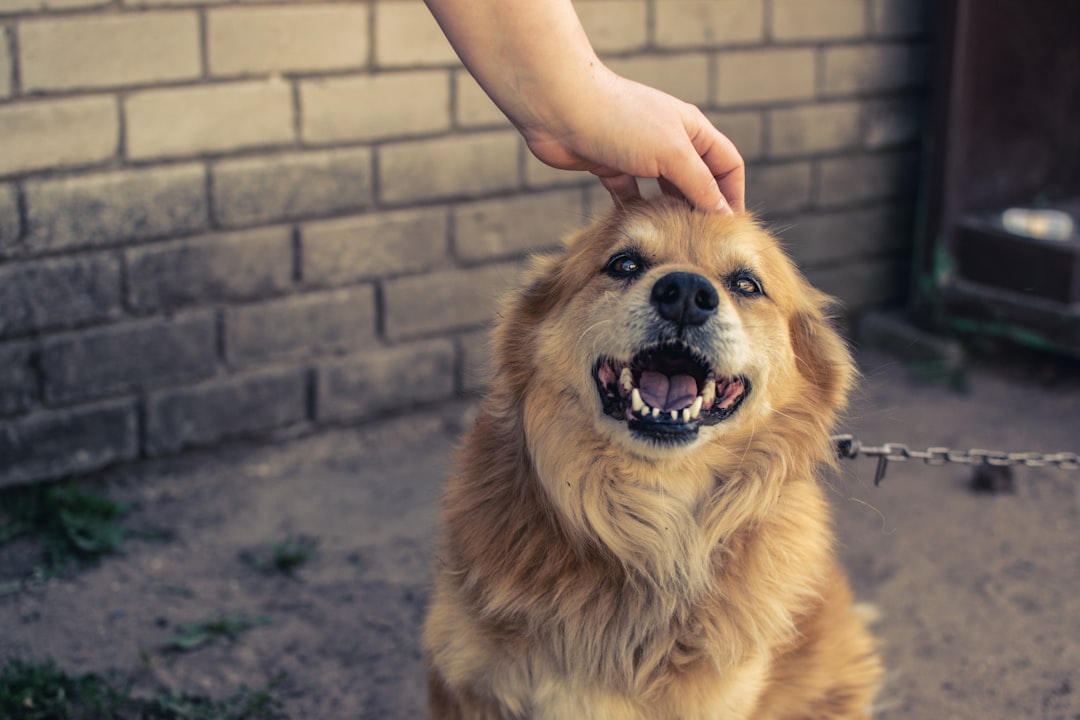
A pup cup is a small cup of plain whipped cream served to dogs, usually free of charge, at coffee shops and drive-throughs. It’s become one of the most photographed dog treats on the internet — and one of the most Googled.
If you’ve pulled up to a Starbucks drive-through with a dog in the back seat and been offered a “Puppuccino”, you’ve encountered a pup cup. The terms are used interchangeably: pup cup, puppuccino, dog cup. They all refer to the same thing — a small espresso cup or paper cup filled with whipped cream, handed through the window to a very grateful passenger.
This guide covers everything dog owners actually want to know: what’s in it, whether it’s safe, where to get one (including in the UK), dog-safe alternatives for sensitive stomachs, and how to make a better version at home.
What’s Actually in a Pup Cup?
The standard pup cup is nothing more than plain whipped cream in a small cup. At Starbucks, this is the same whipped cream used on regular drinks — heavy cream and vanilla syrup, whipped to order.
That’s it. No coffee, no flavouring, no additives beyond what goes into standard whipped cream. The appeal for dogs is the fat content and the novelty of being given something cold and creamy.
Some coffee shops and pet-friendly businesses have created their own more elaborate versions using dog-safe ingredients:
- Plain whipped cream — the classic, widely available
- Frozen plain yogurt — lower in fat, probiotic benefits
- Whipped coconut cream — dairy-free alternative
- Peanut butter blended with banana — check it contains no xylitol
- Bone broth frozen in a cup — savoury option, excellent for dogs who don’t tolerate dairy
- Pureed sweet potato or pumpkin — nutrient-dense, naturally sweet
Where to Get a Pup Cup
Starbucks (Puppuccino)
The Starbucks Puppuccino is the most famous pup cup in the world — but it’s an unofficial, off-menu item. You won’t find it listed anywhere, but the vast majority of Starbucks locations will make one if you ask.
In the US: Simply ask for a “Puppuccino” at the drive-through or counter. Most baristas know exactly what you mean and will hand over a small espresso cup of whipped cream at no charge.
In the UK: Starbucks UK doesn’t officially promote the Puppuccino, but many UK locations will still make one on request — ask for “a small cup of whipped cream for my dog.” Whether you’re charged depends entirely on the location and the barista. Some locations give it free; others charge a small amount (around 50p–£1). It’s always worth asking.
Other Chains and Independents
The pup cup phenomenon has spread well beyond Starbucks:
- Dairy Queen (US): Their “Pup Cup” is an official product — a small vanilla soft-serve cup with a dog biscuit on top.
- Dutch Bros (US): Offers a whipped cream cup on request at most locations.
- Independent coffee shops: Many dog-friendly cafés now offer pup cups as a deliberate draw for customers who bring their dogs. Look for dog-friendly café listings in your area.
- Dog daycare and boarding facilities: Progressive pet businesses often offer a welcome treat on arrival or departure — ask yours if they offer anything similar.
The easiest way to find pup cups near you: search “dog-friendly cafés” in your area and simply ask when you arrive. Most places happy to have dogs inside are usually happy to offer a small treat.
Is a Pup Cup Safe for Dogs?
This is the question most dog owners have, and the honest answer is: in moderation, yes — but not for every dog.
The Dairy Question
Whipped cream is a dairy product, and many dogs are lactose intolerant to some degree. Dogs naturally produce less lactase (the enzyme that breaks down lactose) as they age, which means dairy can cause:
- Loose stools or diarrhoea
- Gas and bloating
- Stomach upset
If your dog has never had dairy before, start with a very small amount and watch for any reaction over the next few hours. Some dogs tolerate it without any issue; others will have a sensitive response every time.
If your dog regularly gets an upset stomach after dairy, skip the whipped cream and ask for a dog-safe alternative instead.
The Fat Content
Whipped cream is high in fat. An occasional small cup is not going to cause problems for most healthy dogs, but:
- Overweight dogs should have pup cups rarely if at all
- Dogs with pancreatitis should avoid high-fat foods entirely — a pup cup could trigger a serious flare-up
- Small breeds should have smaller portions — an espresso cup is a lot of cream relative to a Chihuahua’s body weight
The Sugar Issue
Starbucks whipped cream contains vanilla syrup, which means it contains added sugar. This isn’t toxic in small amounts, but it’s not nutritionally valuable for dogs and shouldn’t become a daily treat.
The Xylitol Warning
This is the important one. Xylitol is extremely toxic to dogs — it causes rapid insulin release, hypoglycaemia, and in some cases liver failure. Xylitol is used as a sugar substitute in some whipped cream alternatives, sugar-free products, and certain peanut butters.
Before giving your dog any pup cup that isn’t plain whipped cream, check the ingredients for xylitol. If you’re making a home version with peanut butter, verify the brand is xylitol-free. Most standard peanut butter brands are fine; it’s the sugar-free varieties to watch out for.
The standard Starbucks Puppuccino does not contain xylitol.
How Often Is Too Often?
There’s no hard rule, but most vets would suggest treating pup cups as an occasional treat — maybe once a week at most for healthy dogs, less for sensitive or overweight dogs. They’re not a daily food and shouldn’t become a regular part of a diet.
Dog-Safe Pup Cup Alternatives (For Sensitive Stomachs)
If your dog doesn’t tolerate dairy well, there are several better alternatives that still deliver the same joyful experience:
Frozen Bone Broth Cup
Make ice cubes or a small cup of frozen bone broth (unsalted, onion-free). Dogs love the flavour, it’s hydrating, and there’s no dairy involved. Particularly good in summer.
Coconut Whipped Cream
Chill a can of full-fat coconut cream overnight, then whip the solid part. Dairy-free, naturally sweet, and most dogs love it. Serve immediately — it softens quickly.
Frozen Plain Yogurt
Plain, unsweetened Greek yogurt contains less lactose than whipped cream and has probiotic benefits. Some dogs tolerate it well even if they’re sensitive to other dairy. Freeze it in a small cup for a pup cup effect.
Peanut Butter and Banana Blend
Blend a small amount of xylitol-free peanut butter with a piece of ripe banana and a splash of water. Freeze in a small cup. Rich, satisfying, and completely dairy-free.
Pureed Pumpkin
Plain canned pumpkin (not pumpkin pie filling — check there’s no added spice or xylitol) is naturally sweet, high in fibre, and gentle on sensitive stomachs. Slightly warm or at room temperature works better than frozen for this one.
How to Make a Pup Cup at Home
Making your own pup cups at home means you control exactly what goes in them — no unexpected ingredients, no added sugar, and you can customise for your dog’s specific needs.
The Classic (Plain Whipped Cream)
- Ingredients: 100ml double cream (heavy cream)
- Method: Whip until stiff peaks form, serve in a small cup
- Notes: Skip the vanilla and sugar if making specifically for your dog
Frozen Peanut Butter and Banana Cup
- Ingredients: 2 tbsp xylitol-free peanut butter, 1 ripe banana, 2 tbsp plain yogurt (optional)
- Method: Blend all ingredients until smooth. Pour into small cups or an ice cube tray. Freeze for at least 4 hours.
- Serves: 4–6 small cups
Bone Broth Pup Cup
- Ingredients: 250ml unsalted bone broth (homemade or shop-bought — check no onion or garlic)
- Method: Pour into small cups and freeze. Can add a small piece of carrot or cucumber before freezing.
- Serves: 3–4 small cups
Yogurt Berry Cup
- Ingredients: 4 tbsp plain Greek yogurt, 2 tbsp mashed blueberries or strawberries (no grapes)
- Method: Mix gently, serve immediately or freeze for 2–3 hours for a firmer treat
- Serves: 2 small cups
All of these can be made in batches and frozen. Take one out 10–15 minutes before serving to soften slightly.
The Pup Cup for Pet Businesses: Why It Works
The pup cup’s viral success isn’t just luck — it demonstrates something important about how people feel about their pets, and smart pet businesses have taken note.
Pet owners are deeply loyal to businesses that visibly care about their animals. A small treat at check-in, a welcome cup at arrival, a special something on a pet’s birthday — these create emotional connections that no discount or loyalty card scheme can replicate.
What the pup cup phenomenon teaches pet business owners:
It’s shareable. A dog with a nose full of whipped cream is among the most photographed subjects on the internet. Every pup cup is a potential social media post — free, authentic marketing from your own customers.
It costs almost nothing. A small pot of whipped cream costs a few pence. The goodwill it generates is worth considerably more.
It creates expectation. Regular customers look forward to the treat. Their dogs recognise the routine. That anticipation is a soft form of loyalty that makes switching to a competitor feel like a loss.
It’s personal. Remembering dietary restrictions, offering an alternative for dogs who can’t have dairy, knowing which dogs prefer the savoury bone broth version — these details signal genuine care rather than a box-ticking exercise.
Putting It Into Practice
The simplest implementation: keep a jar of high-quality treats at your reception desk and offer one at every check-in and check-out. Track dietary restrictions in your client records so you never offer something a dog can’t have.
If you want to go further:
- Birthday treats: Track pet birthdays in your pet care software and have something waiting when they arrive that day
- Welcome cup on first visit: A small frozen bone broth cup for a first-time boarder sets the tone immediately
- Grooming reveal treat: Something special handed over with the freshly groomed pet
- 100-day milestone: Dogs who’ve attended 100 daycare sessions get a special celebration
The practical challenge with any of these is remembering — which dogs have allergies, which ones are on restricted diets, which ones get anxious around food around other dogs. Modern pet care management software stores all of this at the client profile level, so the right information is in front of your staff when it matters.
Frequently Asked Questions
What is a Starbucks Puppuccino?
A Puppuccino is an unofficial, off-menu item at Starbucks — a small espresso cup of plain whipped cream given to dogs. It’s not listed on the menu, but most Starbucks baristas know what it is and will make one on request. In the US it’s typically free; in the UK availability varies by location.
Is whipped cream safe for dogs?
Plain whipped cream is safe for most dogs in small amounts occasionally. The main concerns are lactose intolerance (can cause stomach upset), high fat content (avoid for dogs with pancreatitis or weight issues), and added sugar (not harmful in small quantities but not nutritionally beneficial). Check any whipped cream alternative doesn’t contain xylitol, which is toxic to dogs.
Do all Starbucks give Puppuccinos?
In the US, the vast majority of Starbucks locations will make a Puppuccino on request. In the UK, it’s less consistent — many locations will make one, but it’s not officially promoted. Some locations may charge a small amount. Always worth asking.
Can puppies have pup cups?
Puppies can have a very small amount of plain whipped cream occasionally, but their digestive systems are more sensitive than adult dogs. Keep the portion very small and watch for any reaction. For puppies under 6 months, a dog-safe alternative like a small lick of plain pumpkin puree is a safer choice.
My dog is lactose intolerant — is there a pup cup alternative?
Yes. Frozen bone broth, coconut whipped cream, plain Greek yogurt (lower in lactose than whipped cream — try a small amount and monitor), or a peanut butter and banana blend are all good alternatives. Most pet-friendly establishments will accommodate a request for a different treat if you explain your dog’s dietary needs.
How often can I give my dog a pup cup?
For healthy dogs with no dairy sensitivity, once a week is a reasonable maximum. Think of it as an occasional treat rather than a regular part of their diet. For overweight dogs, dogs with pancreatitis, or dogs sensitive to dairy, much less frequently or not at all.
What’s the difference between a pup cup and a Puppuccino?
Nothing — they’re the same thing. “Puppuccino” is the nickname used specifically at Starbucks; “pup cup” is the more general term used for similar treats at other locations. Both refer to a small cup of whipped cream (or equivalent) served to a dog.
Related reading: Dog Calming Techniques for Anxious Pets | Customer Loyalty Strategies for Pet Businesses | Dog Daycare Software Guide