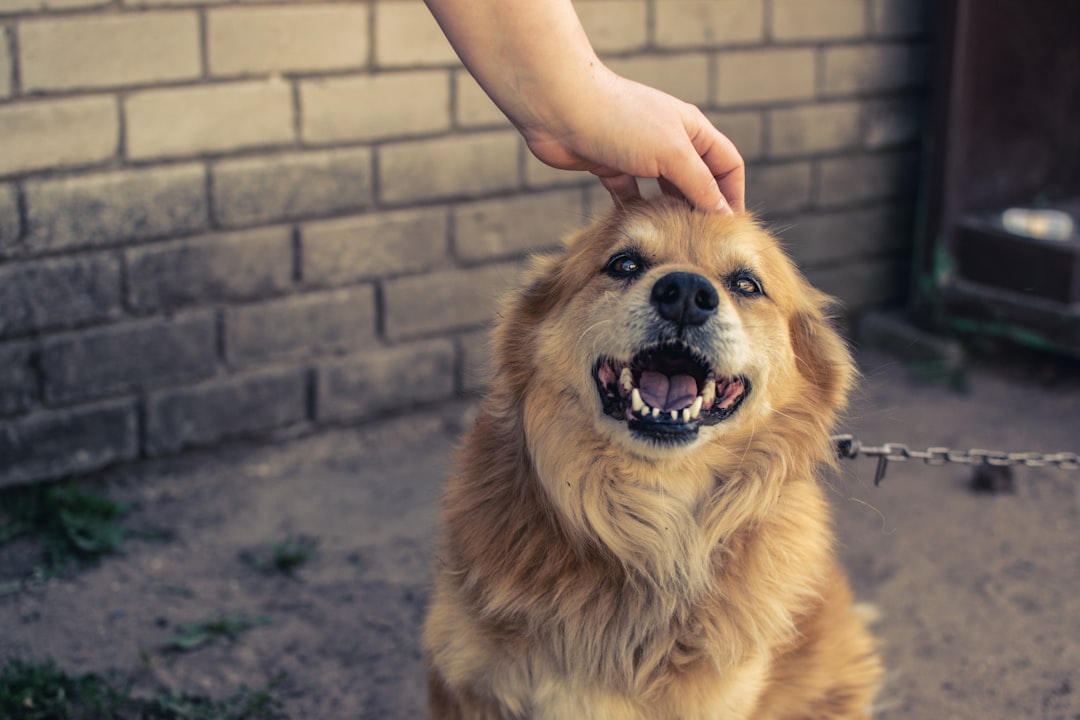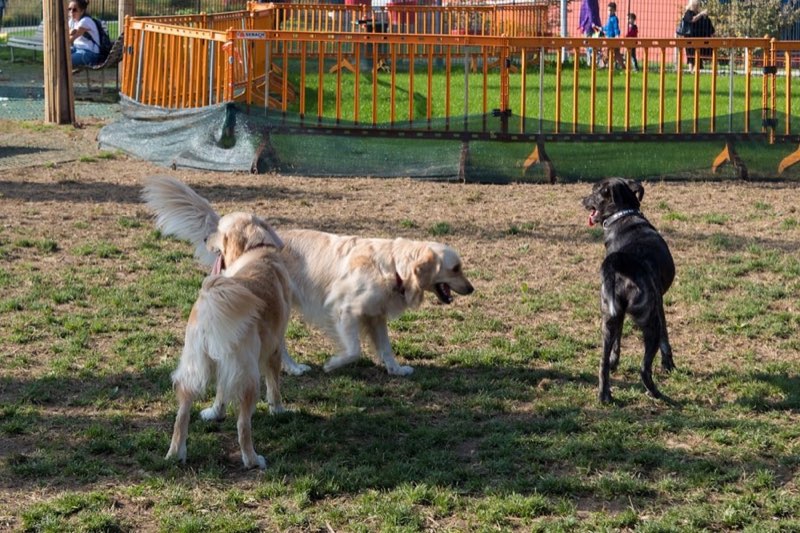
Playgroup management separates adequate daycares from exceptional ones. When done well, dogs leave tired and happy, pet parents notice their dogs sleeping soundly at home, and incidents are rare. Poor playgroup management leads to stressed dogs, injuries, and customer complaints.
Grouping Strategies
Successful grouping considers multiple factors beyond just size.
Play Style Matching
Play style matters enormously:
- Some dogs love wrestling and rough-housing
- Others prefer chase games
- Some enjoy gentle sniffing exploration
Match dogs by energy level and play preferences, not just weight.
Size Considerations
Size still matters for safety. A 5kg Yorkie and a 45kg Lab might both have gentle temperaments, but accidental injuries happen easily with such mismatches.
Most facilities maintain at least two or three size-based groupings:
- Small dogs (under 10kg)
- Medium dogs (10-25kg)
- Large dogs (over 25kg)
With flexibility based on individual temperament.
Age Factors
- Puppies (under one year) often benefit from dedicated puppy playgroups where social faux pas are tolerated
- Adult dogs can be grouped by energy and play style
- Senior dogs typically prefer calmer companions and shorter play sessions
Introducing New Dogs
New introductions require patience and observation.
The Introduction Process
- Complete temperament evaluation in a neutral space
- Begin with one-on-one meetings with socially skilled regulars
- Observe body language carefully
- Allow successful one-on-one interactions before progressing to small groups
- Gradually increase group size over several visits
What to Watch For
Positive signs:
- Loose, wiggly bodies
- Play bows
- Relaxed faces
- Bouncy movement
Warning signs:
- Stiffness
- Hard stares
- Excessive mounting
- Pinned ears, tucked tails
Managing Dominant Personalities
Some dogs naturally take on leadership roles within playgroups, and this isn’t inherently problematic.
Healthy confidence looks like:
- Calm, relaxed body language
- Managing resources or space without aggression
Problematic behaviour manifests as:
- Bullying
- Excessive mounting
- Body-blocking
- Resource guarding
Management strategies:
- Intervene early and consistently
- Strategic grouping with equally confident dogs
- Scheduled breaks
- Additional training requirements
- Restricted play privileges if needed Check out Cattery Software for Cat Boarding Facilities. Check out Dog Boarding Software. Check out Dog Daycare Software. See how Kennel Software can help. Check out Pet Grooming Software. Check out Pet Sitting Software.
Reading Dog Body Language
Train every staff member to read canine communication fluently.
Happy, Relaxed Dogs
- Loose body movements
- Play bows
- Relaxed, open faces
- Bouncy movement
- Soft eyes
Stress Signals
- Whale eye (showing whites of eyes)
- Lip licking
- Yawning
- Tucked tails
- Lowered body posture
- Turning away
Warning Signs (Immediate Intervention)
- Hard stares
- Body stiffening
- Raised hackles
- Growling
- Snapping
Regular training sessions and video reviews help staff sharpen these skills.
When to Separate Dogs
Don’t wait for a fight to separate dogs. Early intervention prevents escalation.
Separate dogs showing:
- Repeated stress signals
- Overstimulation (inability to settle, frantic behaviour)
- One dog consistently targeting another
- Resource guarding behaviours
Separation doesn’t have to be permanent—often a 10-15 minute break allows an aroused dog to reset before rejoining play.
Some dogs need scheduled rest periods throughout the day regardless of behaviour.
Staff-to-Dog Ratios
Industry standards recommend one trained staff member per 10-15 dogs in supervised play environments.
Adjust ratios for:
- Mixed-size groups
- Dogs with special needs
- High-activity periods
- Water play or off-site activities (1:6 or better)
Note: Ratios count only staff actively supervising dogs—front desk and cleaning staff don’t count.
Rotating Groups for Variety
Static groupings become stale. Regular rotation provides:
- Mental enrichment
- Broader social skills development
- Prevention of exclusionary cliques
Rotation strategies:
- Rotate between indoor and outdoor spaces
- Mix compatible playgroups during lower-energy periods
- Balance variety with stability—dogs should know their “usual” playmates
Daily Schedule Structure
A typical daycare day might include:
| Time | Activity |
|---|---|
| 7:00-9:00 | Arrivals, individual assessment |
| 9:00-10:30 | Morning play session |
| 10:30-11:00 | Rest/water break |
| 11:00-12:30 | Midday play/enrichment |
| 12:30-14:00 | Lunch and nap time |
| 14:00-15:30 | Afternoon play session |
| 15:30-16:00 | Wind-down activities |
| 16:00-18:00 | Pickups, quiet play |
Frequently Asked Questions
How many dogs should be in each playgroup?
Optimal playgroup size depends on space and supervision. Generally, groups of 10-15 dogs work well with proper staffing. Each dog should have at least 75-100 square feet of indoor space.
How do you handle a dog that doesn’t fit any group?
Some dogs do better with individual attention or very small groups (2-3 compatible dogs). Communicate honestly with owners about their dog’s needs.
What if two dogs in the same family don’t get along at daycare?
Siblings or housemates sometimes compete more in group settings. Consider placing them in different playgroups where they can develop independent social skills.
How do you handle food aggression in playgroups?
Feed dogs separately, never in playgroups. Use food rewards one-on-one and away from the group.
Conclusion
Effective playgroup management requires constant observation, quick decision-making, and consistent protocols. Invest in staff training, document your grouping criteria, and continuously refine based on what you observe. Well-managed playgroups are safer, more enjoyable for dogs, and more satisfying for pet parents.
Related reading: Dog Calming Techniques, Staff Training for Pet Boarding, Dog Health & Safety Protocols